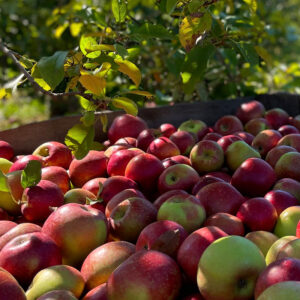

The fruit market in India, as one of the world’s largest producers and consumers of fruit, exhibits diverse characteristics and trends. With extensive production of fruits like bananas, apples, mangoes, and citrus fruits, India plays a crucial role in meeting domestic needs and exporting to neighboring countries.
- Fruit Production in India
India’s diverse climate allows for the production of nearly all types of fruits year-round. Key aspects of fruit production include:
- Major Products: Bananas, mangoes, apples, papayas, citrus fruits (e.g., oranges and lemons), grapes, pomegranates, guavas, and pineapples are among the most significant produce.
- Key Producing States:
- Bananas: Tamil Nadu, Gujarat, and Maharashtra are the leading producers.
In recent years, India has invested in banana export markets in the Gulf region, overtaking the Philippines, which shifted its focus to China. Indian bananas have seen growing demand in countries like the UAE, Oman, Saudi Arabia, Iran, Kuwait, and Qatar. - Mangoes: Uttar Pradesh, Andhra Pradesh, and West Bengal are major contributors.
India is the world’s largest producer of mangoes, accounting for 40–45% of global production. Famous varieties like Alphonso, Dasheri, and Langra are cultivated here. Mangoes are highly consumed domestically and exported to the Middle East, Europe, and Asia. - Apples: Himachal Pradesh and Jammu & Kashmir are the primary apple-growing regions.
India is a leading Asian apple producer, concentrated in cold, mountainous regions. A significant portion is consumed locally, while the surplus is exported to neighboring countries.
- Bananas: Tamil Nadu, Gujarat, and Maharashtra are the leading producers.
- Agricultural Techniques: Increasing population and demand have spurred the adoption of modern farming practices, such as drip irrigation systems and crop enhancement technologies.
- Domestic Fruit Consumption
Fruit consumption in India is influenced by cultural, economic, and social factors:
- Diet and Culture: Fruits form an essential part of Indian diets and hold special significance in religious rituals and celebrations.
- Demand Levels: Growing awareness of health benefits and shifting consumption patterns towards healthier diets have driven demand in urban and rural areas.
- Key Consumer Segments: Households, food industries (for juices, desserts, and canned goods), and service sectors like hotels and restaurants are the primary consumers.
- Seasonality: Consumption of many fruits, such as mangoes and watermelons, is seasonal, leading to higher market supply during peak seasons.
- Challenges in Production and Domestic Consumption
- Post-Harvest Losses: A significant amount of fruit is wasted due to supply chain inefficiencies and inadequate storage infrastructure.
- Price Fluctuations: Seasonal production variations and transportation challenges result in market price volatility.
- Uneven Demand: Rural areas, constrained by economic limitations, show lower fruit consumption compared to urban areas.
- Impact on International Markets
India’s fruit market significantly influences global markets due to its scale of production and consumption. As a major producer of tropical and subtropical fruits like mangoes, pomegranates, and grapes, India meets a substantial portion of global demand.
- Exports: Products like Alphonso mangoes, seedless grapes, and premium pomegranates are exported to countries including the UAE, Saudi Arabia, the UK, Japan, and the US, bolstering India’s presence in international markets.
- Imports: India imports fruits like apples and kiwis from countries like Iran, China, and New Zealand, enhancing product diversity and fostering trade opportunities for exporters. High domestic demand for imported fruits has increased their global prices and strengthened international supply chains.
- Processing Industry: Growth in fruit processing industries has expanded markets for products like juices, jams, and dried fruits, creating higher value-added exports to Europe and Asia.
- Exports and Imports of Fruits in India
Exports:
Fruit exports form a critical part of India’s economy.
- Key Exported Fruits:
- Mangoes: Premium varieties such as Alphonso, Dasheri, and Chausa are highly sought after in markets like the UAE, UK, Saudi Arabia, Japan, and the US.
- Pomegranates: India is a leading global exporter of high-quality pomegranates to the Middle East, Europe, and Asia.
- Grapes: Indian seedless and flavorful grapes are popular in international markets, particularly in Europe and the Middle East.
- Papayas and Guavas: These are exported in smaller quantities to Asian and Middle Eastern countries.
- Export Value and Volume:
- India’s fruit export value exceeded $1 billion in 2023, showcasing significant growth.
- Export volumes vary based on seasons and global demand.
- Success Factors in Exports:
- High-quality produce achieved through modern farming technologies and adherence to international standards.
- Year-round production, enabled by India’s climatic diversity.
- Government support through export subsidies and infrastructure development.
- Export Challenges:
- Global competition from countries like Mexico, Brazil, and Thailand.
- Health and safety restrictions imposed by some importing countries.
- Transportation issues, including perishability and inadequate cold chain facilities.
Imports:
India imports certain fruits to diversify its market and meet domestic demand.
- Key Imported Fruits:
- Apples: The largest imported fruit, sourced mainly from Iran, China, and the US. Iranian apples are particularly popular for their quality and affordability.
- Kiwis: Growing demand for this nutritious fruit has led to imports from New Zealand and Italy.
- Citrus Fruits: Oranges from Egypt and South Africa are imported to meet seasonal shortages.
- Cherries and Plums: Imported from the US and Chile, primarily catering to affluent consumers.
- Factors Driving Imports:
- Limited domestic production of certain fruits.
- Seasonal demand surges.
- Changing consumer preferences among middle and upper classes.
- Challenges in Imports:
- High import tariffs increase consumer costs.
- Competition with domestic products and concerns over imported fruit quality.
- Stringent regulations to protect local producers.
- Impact of Exports and Imports on Domestic and Global Markets
- Domestic Market:
- Prices: Export demand for popular fruits like mangoes and pomegranates sometimes raises domestic prices.
- Product Quality: Importing high-quality fruits has driven improvements in local production standards.
- Variety: Imported fruits enhance market diversity by offering options not grown domestically.
- Global Market:
- Competitiveness: India’s presence as a major player influences global fruit prices and supply.
- Trade Growth: Increasing exports and imports have strengthened international supply chains.
- Infrastructure Development: Global demand has driven investments in India’s transportation, storage, and fruit processing facilities.
In summary, India’s fruit market contributes to global market balance and dynamism through increased production, quality improvements, expanding trade, and a thriving processing industry.